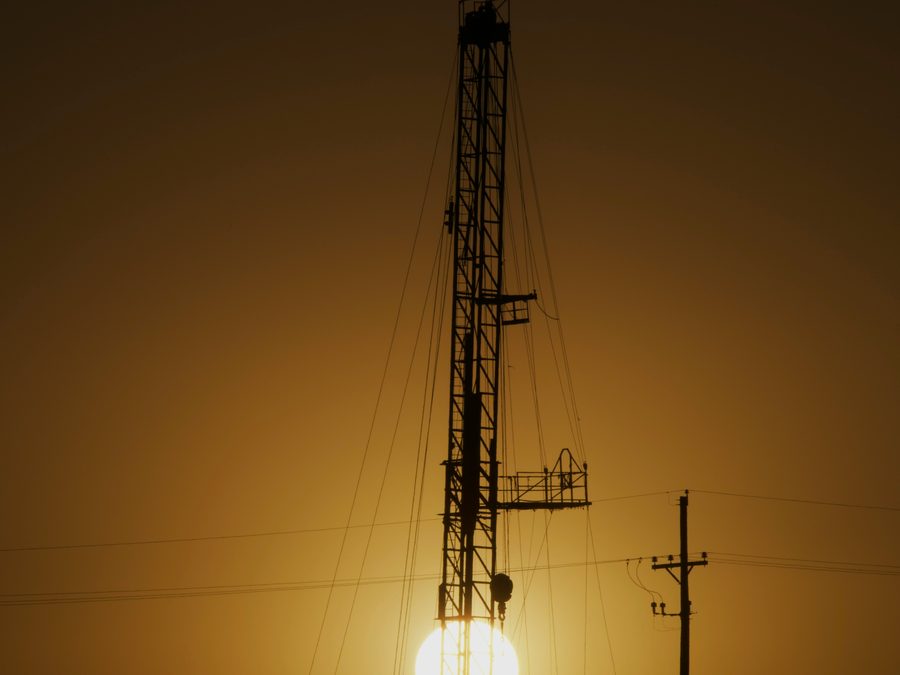

In South Texas, storm season isn't a surprise — it's a calendar event. The leases that come through it without a costly shutdown are the ones that did the boring work ahead of time. Here's the checklist we walk through with operators before the weather turns.
1. Check your grounding before you need it
Grounding connections corrode, loosen, and get knocked loose by traffic over a season. A ground rod that tested fine two years ago may not be doing its job now. Before storm season, the grounding on tank batteries, separators, and light plants should be inspected and tested — not assumed. This is the foundation everything else rides on.
2. Verify the bonding jumpers are intact
Bonding jumpers between tanks and across catwalks are the connections that keep a surge from arcing between pieces of steel. They're also easy to overlook — a missing or broken jumper leaves a gap exactly where you don't want one. A walk of the pad with someone who knows what to look for catches these fast.
3. Protect the controls and automation
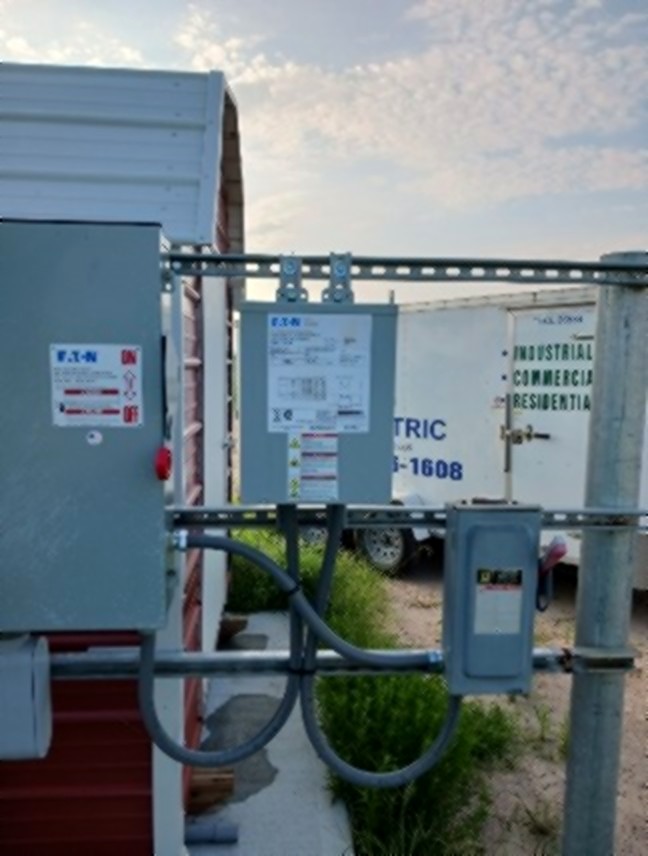
Your flow computer, RTU, and motor controls are the most surge-sensitive and most expensive things on the lease. Surge protection devices have a service life and can degrade after taking hits. Confirm they're in place, rated correctly, and not already spent from a previous storm. Replacing a $40 surge device beats replacing a $4,000 controller.
4. Look at the pump motors and VFDs
Variable frequency drives and motor starters don't tolerate voltage spikes well. Make sure they're behind coordinated protection and that the wiring and connections are tight. A pump that won't restart after a storm is lost production until someone can get out to the site.
5. Have a real emergency number
When a strike does hit and something goes down at 11pm on a Saturday, the question is who actually answers. Standby generators, light plants, and a contractor who picks up the after-hours line are the difference between a few dark hours and a few dark days. Know the number before you need it.
6. Document what you have
If lightning damages equipment, your insurer is going to want to know what protection was in place. A documented, code-built grounding and protection system isn't just safer — it's often the difference in how a claim gets handled, and it can earn a credit on the policy. Keep the paperwork where you can find it.
None of this is complicated. It's just easy to put off until the first warning of the season is already on the radar. If you'd rather have someone walk your leases and handle it, that's what we're here for. Oilfield lightning protection & grounding → or call our 24-hour line at (979) 616-1608 if a storm already got you.